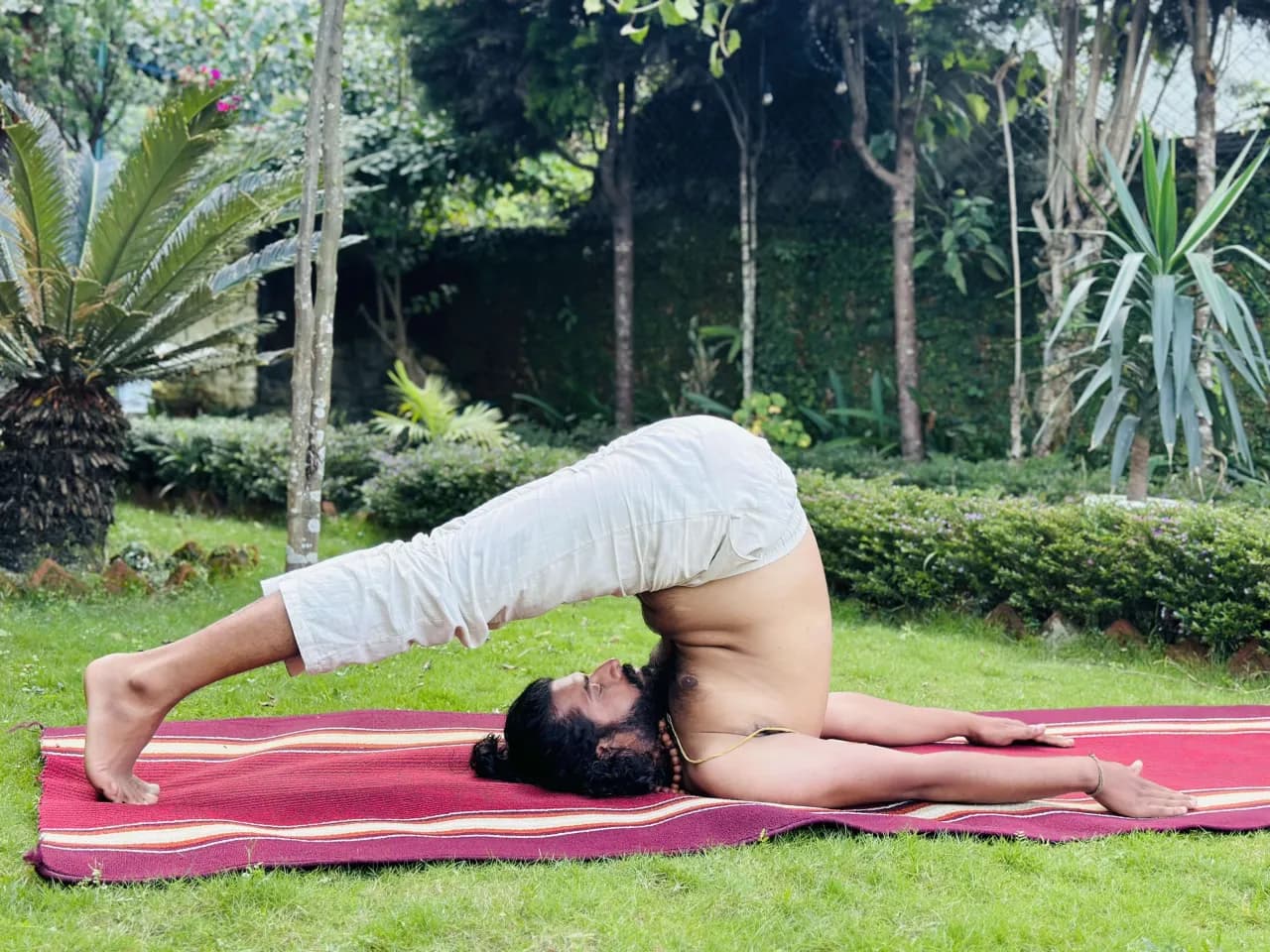
Why Kathmandu for Yoga
Kathmandu is the spiritual capital of the Himalayas: a UNESCO-rich valley of temples and stupas, the gateway to Nepal's mountains, and a city where yoga, meditation and energy healing are woven into ordinary life. It is the natural base for a serious yoga journey in Nepal.

Founder & Spiritual Healer
Reviewed and updated June 2026
Why choose Kathmandu over Pokhara or Rishikesh?
Kathmandu is where Nepal’s spiritual traditions are most concentrated. Within a single valley you have three UNESCO World Heritage temple complexes, centuries-old Buddhist and Hindu practice, and a community of teachers and healers who trained in genuine Himalayan and Indian lineages. It is also Nepal’s only international gateway, so it is the easiest place in the country to reach and to base yourself.
Pokhara, a short flight or drive away, is calmer and lakeside, and is wonderful for a retreat. Rishikesh, across the border in India, is larger and more commercial. Kathmandu sits between them: deeper in living tradition than Pokhara, quieter and more affordable than Rishikesh, and close to everything you came to Nepal to see.
What Kathmandu offers a yoga student
A valley of sacred sites
Pashupatinath, Boudhanath and Swayambhunath are living places of worship, not tourist sets. Practising near them adds a dimension you cannot manufacture.
Gateway to the Himalayas
Kathmandu is the launch point for Everest, Annapurna, Langtang and Mustang. You can pair city study with a mountain retreat or trek.
Authentic teachers
The valley draws teachers and healers from across Nepal and India. At Jivan Parivartan in Tarkeshwor, training is in the Himalayan ashram lineage.
Easy to reach
Tribhuvan International Airport connects Kathmandu to India, the Gulf and Southeast Asia, so most travellers arrive with a single connection.
A full range of practice
Yoga teacher training, Reiki, Tibetan singing bowl healing, meditation and retreats are all available in one place.
Real value
Quality teaching, accommodation and food in Kathmandu cost far less than in Western cities, so a longer, deeper stay is affordable.
Where in Kathmandu should you practise?
The old centre of Kathmandu is busy, dusty and full of life, which is part of its charm but not always restful for a daily practice. Many of the best centres sit on the quieter edges of the valley, where the air is cleaner and the pace slower.
Our centre, Jivan Parivartan, is in Tarkeshwor, in the green north-west of the valley near the Shivapuri-Nagarjun forest. It is far enough from the traffic to feel calm, yet close enough to reach the heritage sites and the airport easily. From here you can join our yoga teacher training, Reiki healing and training, sound healing and meditation, all in one place. That balance of quiet and access is exactly what you want when you are practising every day.
A note on air and seasons
Kathmandu can be hazy in the dry pre-monsoon weeks of late winter. The clearest valley air and best mountain views come in autumn (October to December) and after the first monsoon rains. We help students plan their dates around this, and many combine valley study with time in the cleaner mountain air on retreat.
Written by
Maa Nisha KabirFounder of Jivan Parivartan, Reiki Master and spiritual healer with 12+ years of sadhana, including two years in Himalayan cave retreat.
Plan your Kathmandu yoga trip
Why Nepal for Yoga
The bigger picture: Nepal versus India and Bali.
Learn moreYoga in Kathmandu
A complete guide to practising in the valley.
Learn moreGetting to Kathmandu
Flights, the airport and onward transport.
Learn moreNepal Visa for Yoga Travellers
Visa on arrival fees, durations and the process.
Learn moreBest Time for Yoga in Nepal
Month-by-month weather and seasons.
Learn moreYoga Teacher Training in Kathmandu
Our 200-hour course.
Learn moreFrequently Asked Questions
Make Kathmandu your yoga base
From teacher training to a weekend reset, we will help you plan the right stay in the Kathmandu Valley.