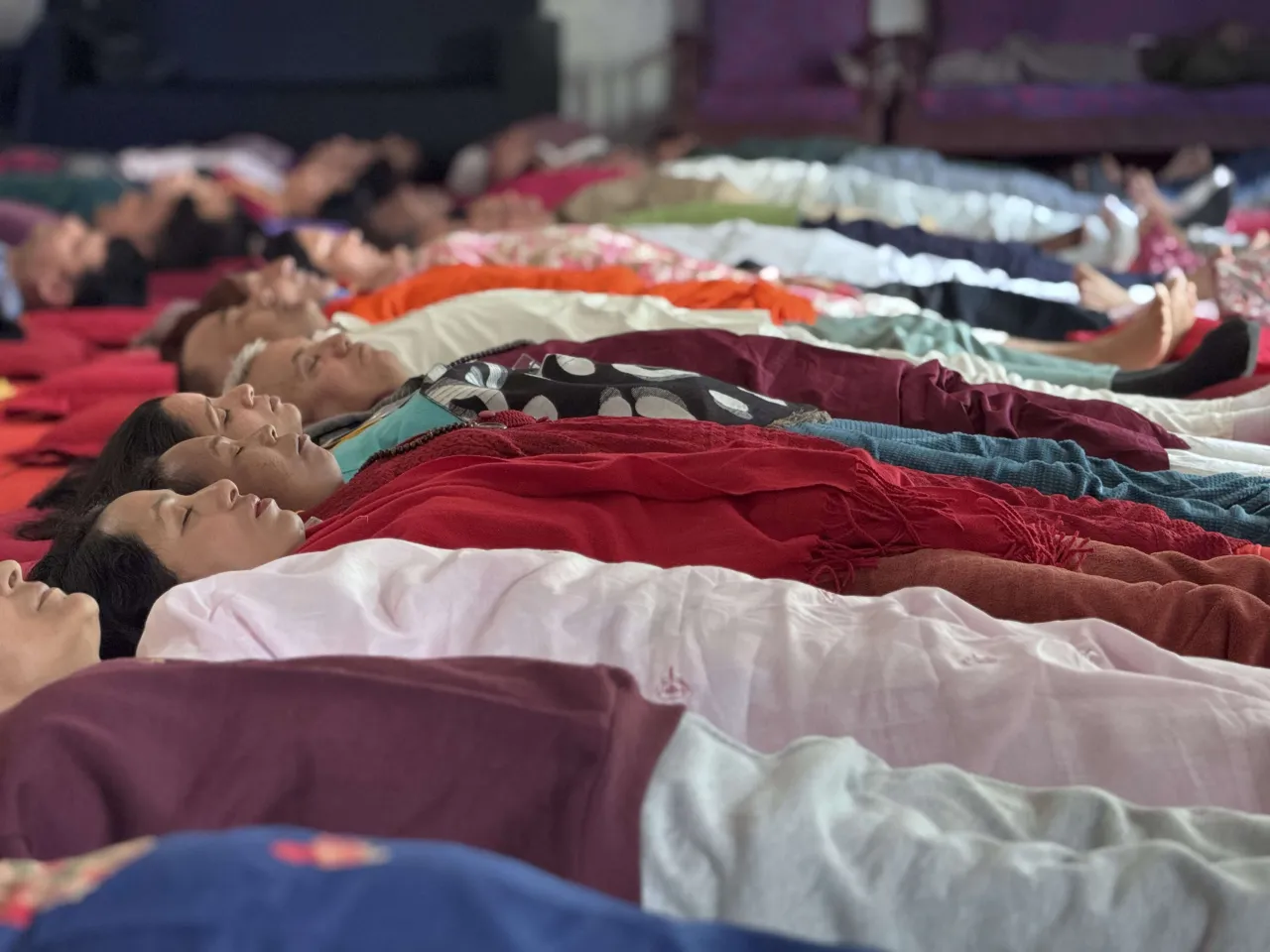
Yoga Culture in Nepal
In Nepal, yoga and meditation are not a separate activity you book; they are part of a spiritual culture that runs through temples, festivals and daily life. Hindu and Buddhist traditions sit side by side here, and the practices yoga students travel for are woven into the rhythm of the country.
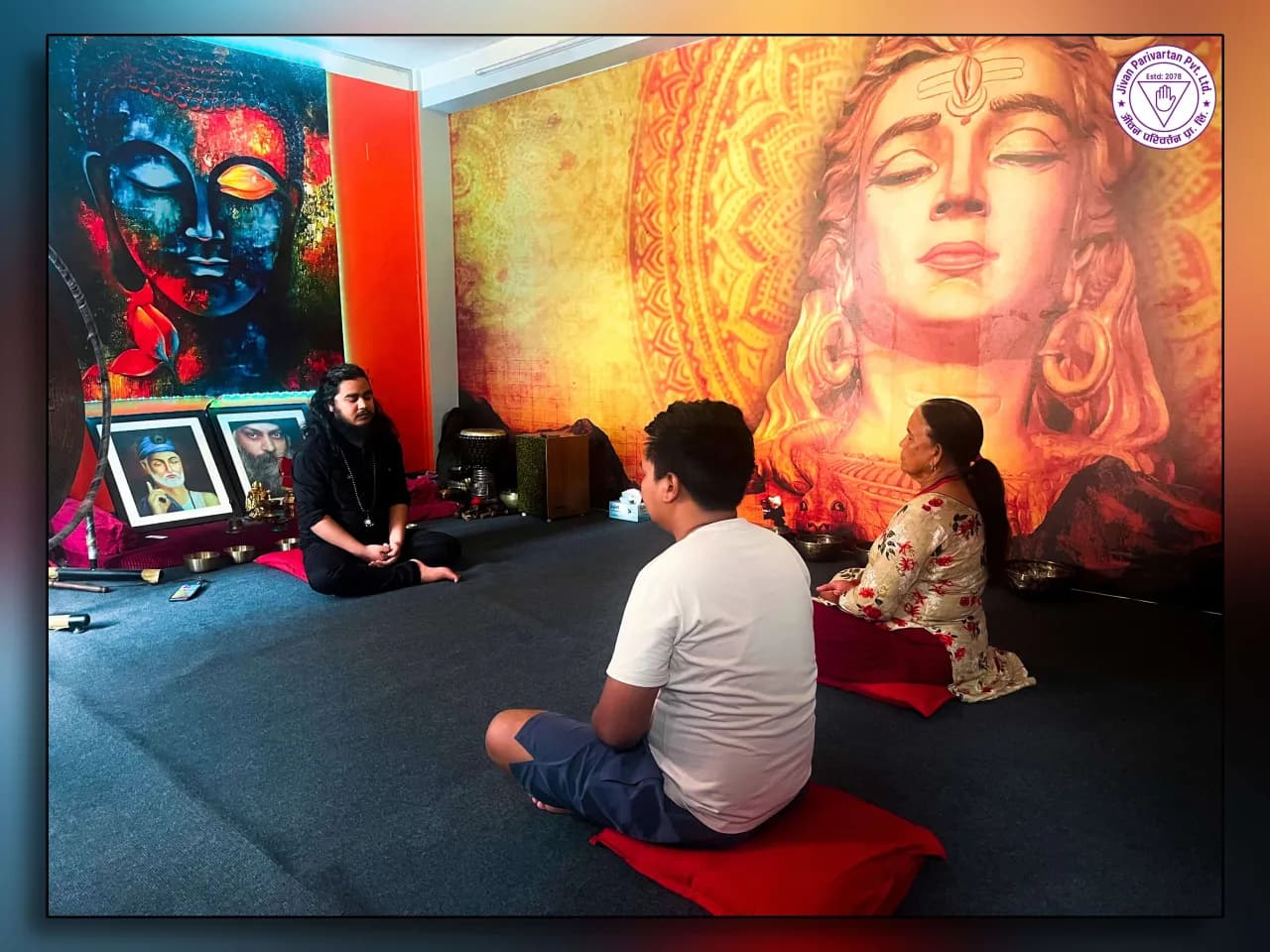
Co-Founder & Meditation Guide
Reviewed and updated June 2026
Where does Nepal’s yoga culture come from?
Nepal sits where the Hindu world of the Indian subcontinent meets the Buddhist world of Tibet, and both traditions have shaped its spiritual life for well over a thousand years. Yoga, tantra, pranayama and meditation grew from this meeting, carried by wandering yogis, monks and householder practitioners alike.
The result is a culture where the sacred is everyday. Shrines stand at street corners, families make offerings each morning, and the great temple complexes of the Kathmandu Valley are working places of worship rather than monuments. For a yoga student, practising here means stepping into a context where the tradition is genuinely alive.
The sacred heart of the valley
A few of the places that anchor Nepal’s spiritual culture.
Pashupatinath
One of the most important Hindu temples in the world, on the banks of the Bagmati River, dedicated to Shiva as lord of the animals. Sadhus and pilgrims gather here daily.
Boudhanath
One of the largest Buddhist stupas on earth and a centre of Tibetan Buddhist life in exile. Pilgrims circle it at dawn and dusk, turning prayer wheels.
Swayambhunath
The ancient hilltop stupa watching over Kathmandu, where Buddhist and Hindu worship meet. Its painted eyes are a symbol of the valley itself.
Lumbini
In Nepal’s southern plains, the birthplace of Siddhartha Gautama, the Buddha. A place of pilgrimage and meditation for practitioners worldwide.
The guru-shishya tradition
At the centre of Nepal’s living yoga culture is the guru-shishya relationship, the passing of practice and wisdom directly from teacher to student. Knowledge is not only read from books; it is transmitted through years of personal guidance, practice and trust.
This is why authentic teaching in Nepal tends to value depth over speed. A teacher who carries a genuine lineage will often ask you to sit with a practice for months before moving on. It is also why small group sizes matter: real transmission needs attention, not scale, which is the principle behind our yoga teacher training.
Practising with respect
Visiting sacred sites is a privilege. Dress modestly, remove shoes where asked, walk clockwise around stupas, ask before photographing people at worship, and follow your hosts’ guidance. The warmth you receive in Nepal is repaid by simple respect for its traditions.
Written by
Swami AnishCo-founder of Jivan Parivartan, meditation teacher, Reiki Master, sound healer and clinical hypnotherapist.
Explore further
Himalayan Yoga in Nepal
The mountain lineage and its practice.
Learn moreWhy Nepal for Yoga
Why this tradition is worth the journey.
Learn moreLineage & Tradition
The lineage behind Jivan Parivartan.
Learn moreMeditation in Kathmandu
The contemplative core of the tradition.
Learn moreOur Teachers & Healers
Meet the people who carry the practice.
Learn moreYoga in Kathmandu
How to practise in the valley.
Learn moreFrequently Asked Questions
Step into a living tradition
Come and practise where yoga and meditation are part of everyday life. We will help you plan a meaningful stay.