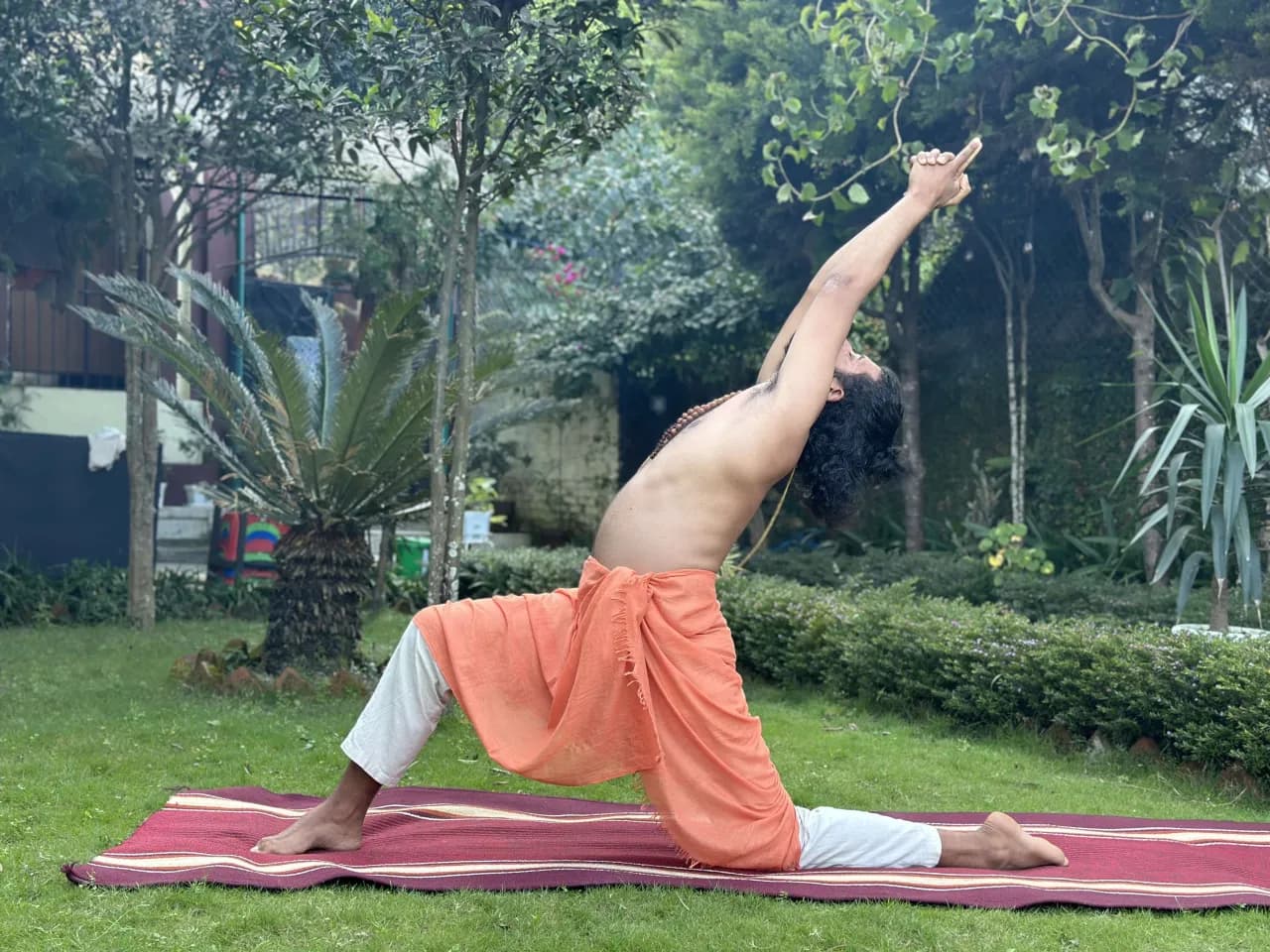
Yoga Styles We Teach in Kathmandu
We teach yoga as a complete tradition, not a single workout. Within our teacher training and retreats you will practise classical Hatha and dynamic Ashtanga, alongside pranayama, meditation, mantra and restorative work, all rooted in the Himalayan lineage.
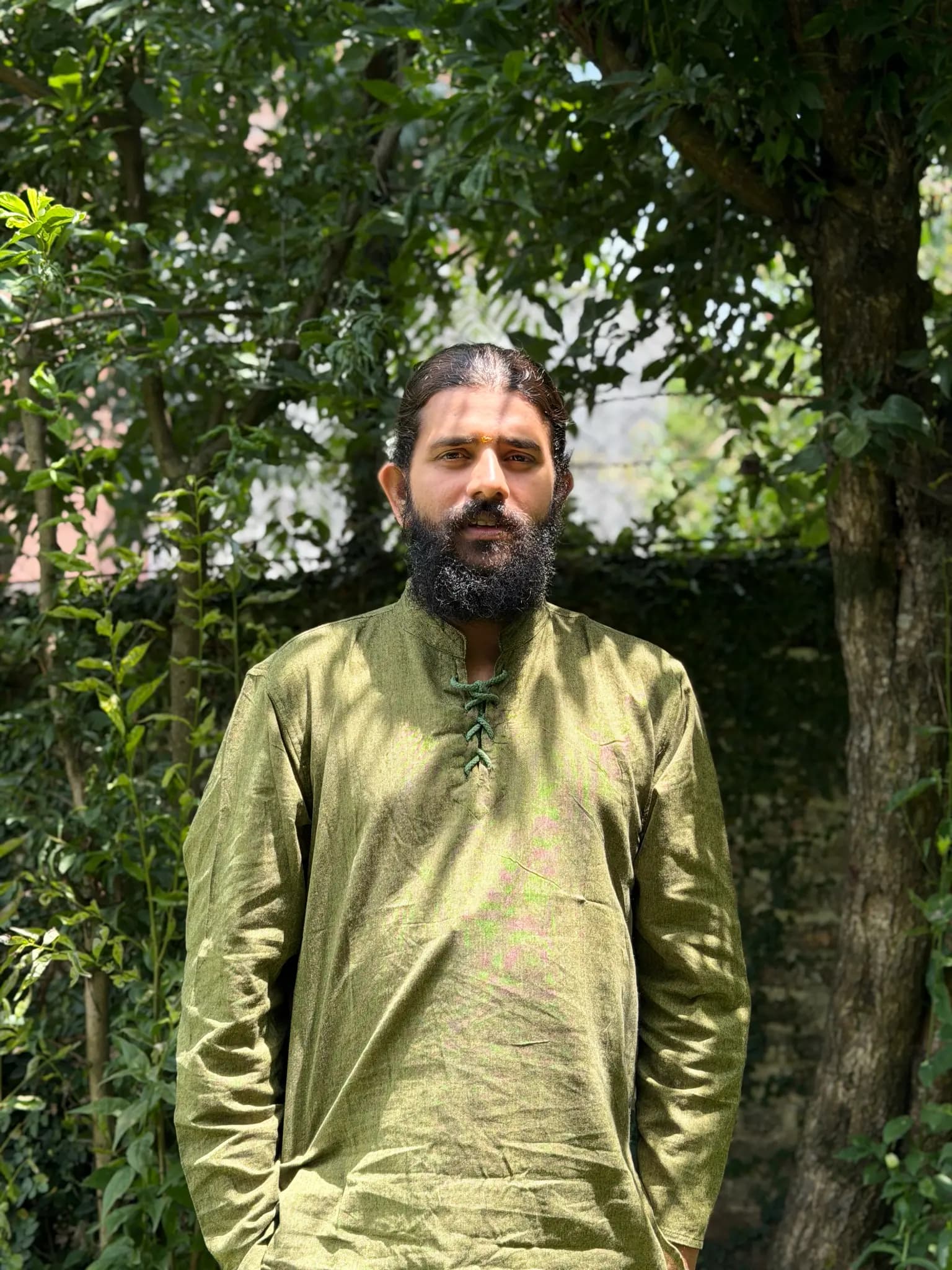
Yoga Master & Yoga Therapist
Reviewed and updated June 2026
How we approach yoga style
Rather than branding a single trademarked style, we teach the foundational practices that all serious yoga rests on. Our emphasis is on understanding why a practice works, so that whether you are training to teach or simply deepening your own path, you build a versatile, lasting foundation rather than memorising one sequence.
These styles are taught primarily through our 200-hour teacher training and our retreats. We do not run casual drop-in fitness classes; our focus is on depth, transformation and the integration of movement, breath and meditation.
The practices in our curriculum
Hatha Yoga
The classical foundation: held postures, alignment and breath. Hatha builds strength, steadiness and body awareness, and is the bedrock of everything else we teach.
Ashtanga Vinyasa
A dynamic, flowing practice that links breath to movement through set sequences. It builds heat, stamina and focus, and complements the stillness of Hatha.
Pranayama
The yogic science of breath. Pranayama regulates the nervous system, steadies the mind and is central to the Himalayan tradition, where breath leads the practice.
Meditation
Guided and silent meditation, including breath awareness, mantra and self-inquiry. This is the heart of our lineage and the goal that posture and breath prepare you for.
Mantra & Sound
Chanting and sacred sound to focus the mind and open the energy body, drawing on Nepal’s deep mantra and singing-bowl heritage.
Restorative & Yin
Slow, supported practice that releases deep tension and balances more active work, valuable for recovery, stress and the nervous system.
Which style is right for you?
If you are new to yoga, classical Hatha is the gentlest, clearest place to begin. If you enjoy movement and want to build heat and stamina, Ashtanga vinyasa will suit you. If your goal is calm, focus and stress relief, lean towards pranayama, meditation and restorative practice.
In our teacher training you learn all of these together, because a complete teacher understands the whole spectrum. We will help you find your centre of gravity within it and teach from your own genuine experience.
Where to practise these styles
These styles come together most fully in our teacher training and on retreat, where you practise daily under guidance. If you want to experience the breath and meditation side first, our daily morning meditation and one-day transformation program are the easiest entry points.
Written by
Yogi AwdaitmaniYoga Master and yoga therapist at Jivan Parivartan with a biomedical engineering background, leading the centre’s classical Hatha and Ashtanga practice and teacher-training curriculum.
Go deeper
Yoga Teacher Training in Kathmandu
Learn all these styles in depth.
Learn moreMeditation in Kathmandu
Start with breath and stillness.
Learn moreOur Lineage & Tradition
The tradition these styles come from.
Learn moreYoga in Kathmandu
How to practise in the valley.
Learn moreOur Retreats
Practise these styles on retreat.
Learn moreOur Teachers & Healers
Meet the teaching faculty.
Learn moreFrequently Asked Questions
Find your practice
Tell us your experience and what you are hoping for, and we will recommend where to begin.