Yoga in Kathmandu: A Practical Guide for Visitors
What yoga in Kathmandu actually looks like, who teaches it, and how to choose between teacher training, retreats, healing sessions and a daily morning practice. By Jivan Parivartan, a holistic wellness and transformation centre in Tarkeshwor.
Founder & Spiritual Healer
Reviewed and updated June 2026
What does “yoga in Kathmandu” actually mean?
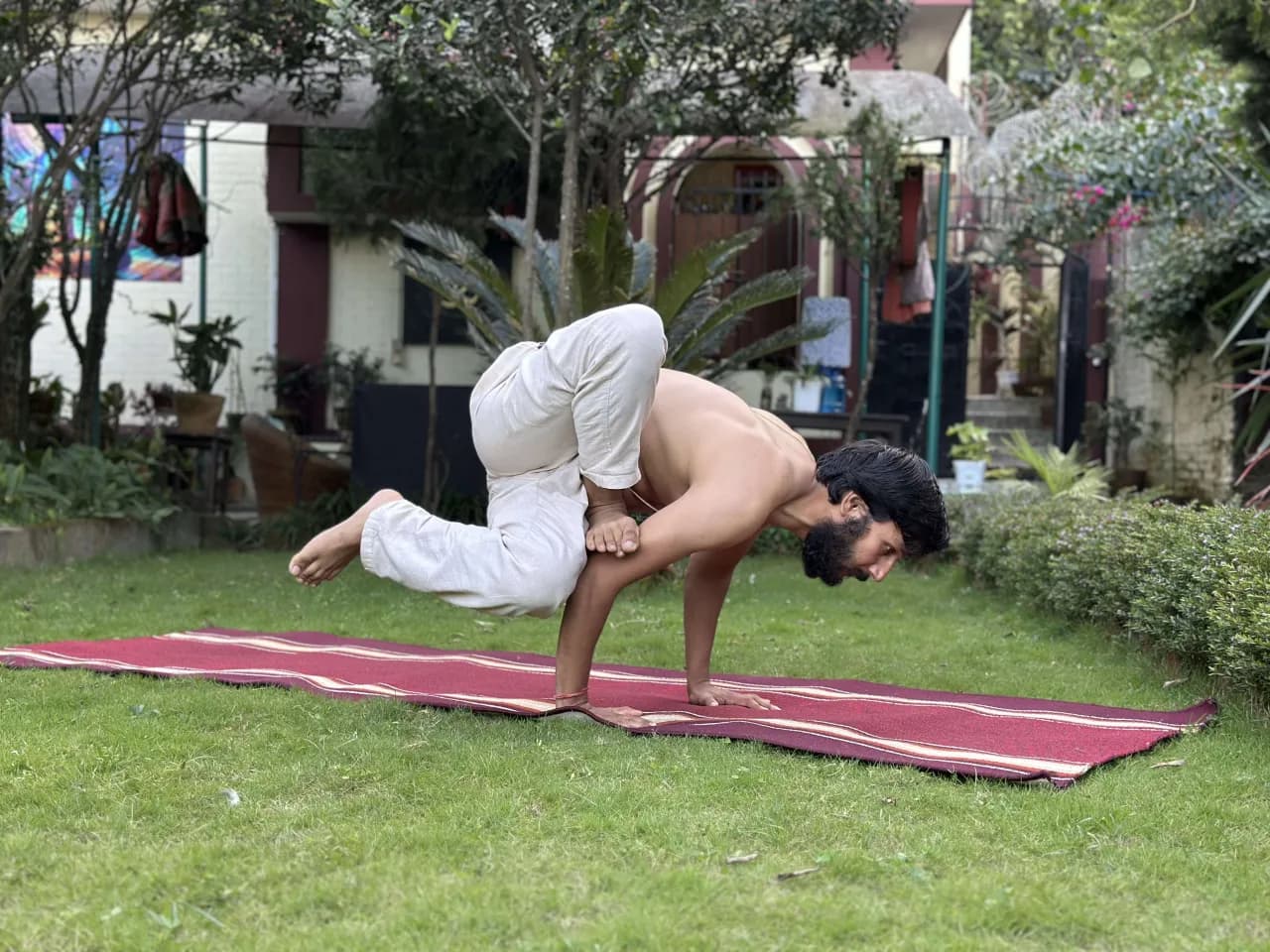
Yoga in Kathmandu means traditional Hatha and Ashtanga yoga taught in the classical Himalayan tradition, often within a residential or retreat setting, and frequently combined with meditation, pranayama and energy healing. Kathmandu is the centre of a living lineage that connects northern India, Tibet and the high Himalayas; the practice you learn here has not been adapted for modern fitness culture, and that is the point.
Most serious yoga in Kathmandu happens in three places. The first is the ashram and holistic-centre tradition, where Jivan Parivartan sits: small residential centres that focus on training, healing and retreats rather than daily drop-in classes. The second is the central Thamel district, where a handful of drop-in studios cater to short-term travellers in English. The third is Patan and the south valley, which has the longest-running modern yoga studios. Each has its place. The reason most international visitors land in the first category is that you came here for the tradition, and the tradition is held by the centres.
The valley itself does much of the work. The presence of the great stupas at Boudhanath and Swayambhunath, the temples at Pashupatinath, and the proximity of the Shivapuri-Nagarjun forest mean that contemplative practice in Kathmandu carries an atmospheric depth that is hard to find in commercial yoga destinations. You feel it within a day or two.
The Practices You Can Actually Do Here
At Jivan Parivartan, here is the full menu. Pick the one that matches your time, your experience and what you are actually carrying.
200-Hour Teacher Training
A 24-day residential intensive in the classical Himalayan ashram tradition, with an internationally recognised 200-hour certificate. $1,200; contact us for dates.
Himalayan Retreats
Weekend valley retreats, pre and post trekking yoga, corporate wellness, and the 5-day Mustang Luxury Retreat (USD 4,500, max 8 guests).
One Day Transformation Program
A single immersive day of meditation, breathwork, sound and integration. Dual-led by our founders. $150; lunch and follow-up plan included.
Daily Morning Meditation
6:00 to 8:00 AM Nepal time, every day. In person in Tarkeshwor or live online, paid per session, weekly or monthly. The easiest place to start.
Reiki Healing & Training
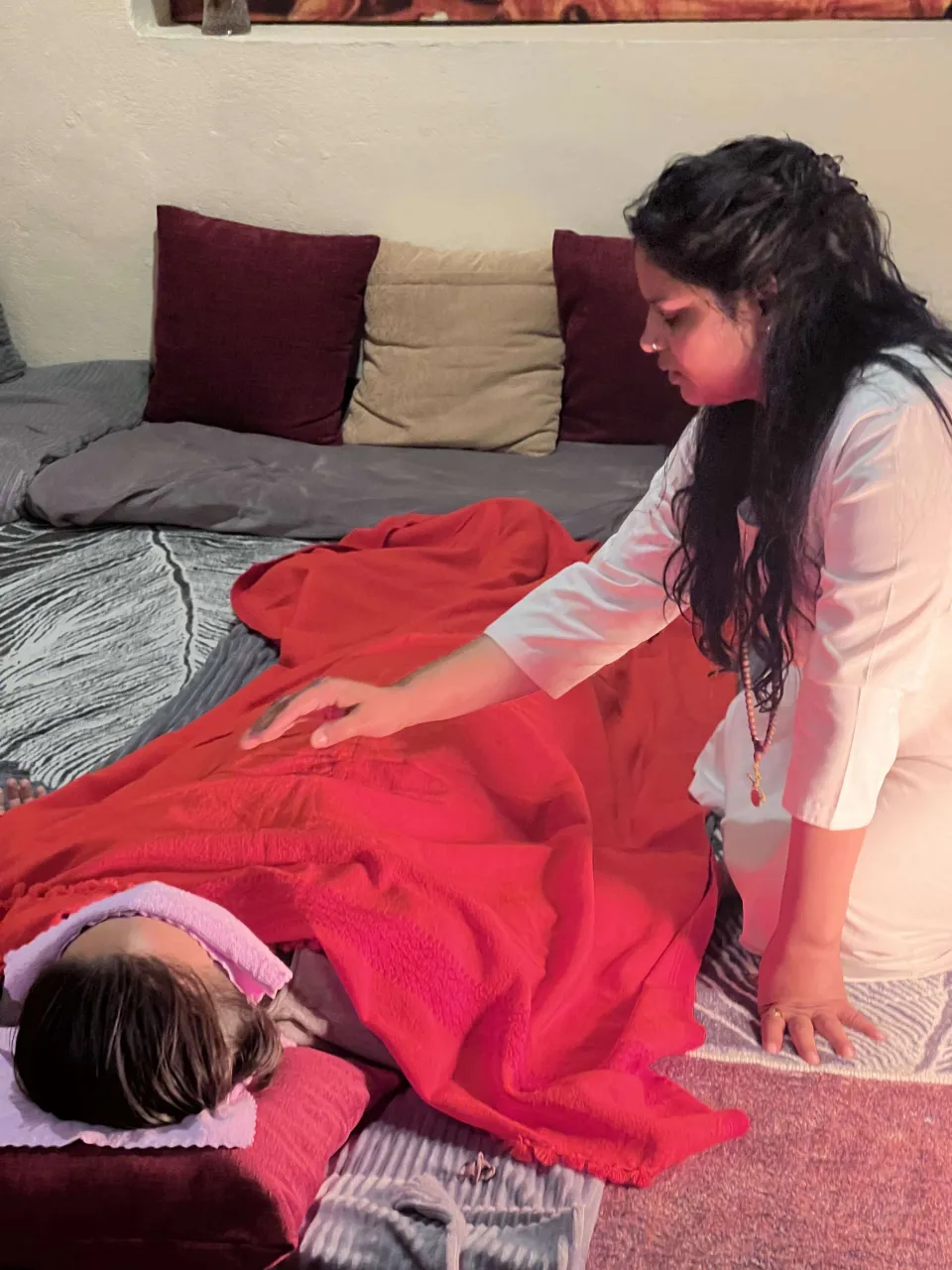
One-to-one Reiki sessions (from $50) and Level 1, 2 and Master training, in the Usui lineage carried by founder Maa Nisha Kabir.
Sound & Singing Bowl Healing
60-minute Himalayan sound baths (from $50), and 3-day and 7-day practitioner training in Tibetan singing bowl therapy.
How to choose between training, retreat, and a single session
If you are not sure where to start, here is a simple decision tree. Stay one to three days? Book a single Reiki or sound healing session, or join one or two daily morning meditation sessions while you are here. Add the One-Day Transformation Program if your dates include a weekend.
Stay four to seven days? The most efficient arc is a 2 to 3 day weekend retreat in the valley (combining yoga, meditation and a sound bath under one program), plus one or two healing sessions on the days bookending the retreat. Easy to combine with a couple of days of Kathmandu sightseeing (Boudhanath, Patan, Bhaktapur) and a day trip to Nagarkot for the Himalayan view.
Stay one to two weeks? Consider a multi-day Himalayan retreat (we run several formats), or a 3+3 day pre and post trekking yoga retreat wrapped around a short Langtang or Annapurna trek. This is the most common visitor profile for us: people who came for trekking and discovered yoga, or vice versa.
Stay three weeks or more? Now you are in teacher training territory. Our 200-hour yoga teacher training runs 24 days residentially and leads to an internationally recognised 200-hour certificate in the classical Himalayan ashram tradition. Most international students plan a few days either side for acclimatisation and travel, so allow about four to five weeks total.
Have a team and a budget? Consider a corporate wellness retreat for four to forty people, or the 5-day Mustang Luxury Retreat (USD 4,500 per person) for an executive group or special-occasion travel. Both of these need 30 to 120 days of booking lead time.
Why Jivan Parivartan, specifically?
You will find more than fifty yoga centres in the Kathmandu Valley if you start looking, so a fair question is what makes us a sensible choice. The honest answer is the combination of lineage, breadth and the people. Founder Maa Nisha Kabir began her spiritual path at fourteen and spent two years in solitary cave retreat in the Nepalese Himalayas; she has supported more than eight thousand people through one-to-one work over the last six years. Co-founder Swami Anish is a Reiki Master, sound healer and certified clinical hypnotherapist, which is a rare combination in this region. Yogi Awdaitmani holds a Biomedical Engineering degree from Anna University in Chennai and leads our yoga therapy work.
The other thing that sets the centre apart is that we are deliberately multi-modality. You can do Reiki, sound healing, meditation and yoga teacher training in the same place, with people who have trained in all of those modalities, in a way that lets you build a coherent practice rather than stitching together loose pieces from different schools. Most other centres in Nepal specialise in one thing; we have stayed broad because the healing tradition itself is broad.
Our students come from across the world. The reviews on this site are real: Sita Maharjan in Kathmandu, Rajesh Basnet in Pokhara, Sarah Williams in the United Kingdom, Priya in Kathmandu, Michael in the United States, Anjali in Mumbai, and many others. Read the team bios on our About page for the full picture of who teaches and heals here.
Frequently Asked Questions
Plan Your Yoga Time in Kathmandu
Tell us how long you are here and what you are looking for. We will recommend the right starting point honestly, even if it is not us.